





If you’re comparing electric scooters and bikes, there isn’t a single right answer. For daily commuting and road legality, an e-bike is usually the better choice. For portability and lower upfront cost, an e-scooter has clear advantages. The best option depends on where you ride, how far you travel, and what you expect from ownership.
Quick Comparison
Electric Bike
- Road legal in the UK if EAPC compliant
- Better for daily commuting
- Longer range
- Provides some exercise
- Higher purchase price
Electric Scooter
- More portable
- Lower upfront cost
- Easier to store
- Faster to carry onto trains and into offices
- Restricted by UK road laws
The Key Differences Between Electric Scooters and Electric Bikes
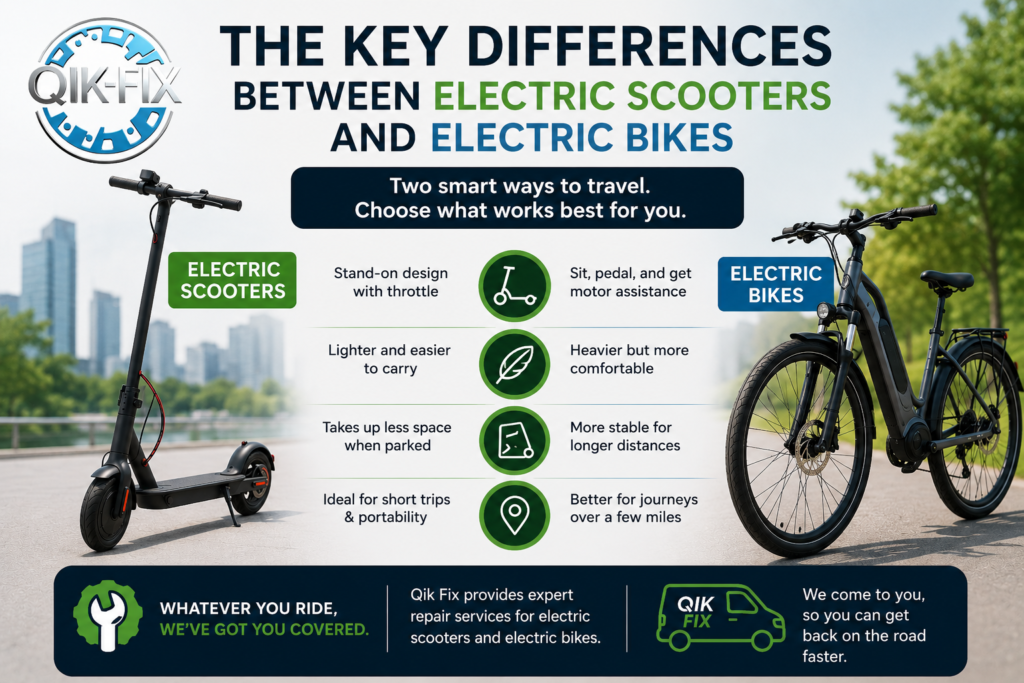
Understanding the difference electric scooters and electric bike options comes down to how they’re designed to be used.
An electric bike combines pedal power with motor assistance. You sit, pedal, and receive support from the motor when needed. The experience feels familiar, especially if you’ve ridden a bicycle before.
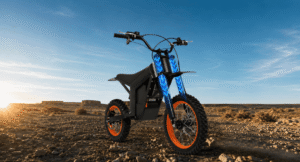
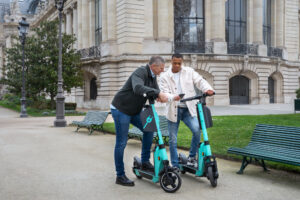
An electric scooter is a stand-on vehicle controlled through handlebars and a throttle. It requires less physical effort and takes up less space when parked or stored.
Weight also matters. Most scooters are lighter and easier to carry upstairs or onto public transport. Bikes are heavier but offer better comfort over longer distances.
If your journeys regularly exceed a few miles, a bike usually provides a more stable and comfortable ride. If portability is your priority, a scooter becomes more attractive.
Read Also: What to Look for Before You Buy an Electric Scooter
UK Law: Which One Can You Legally Ride on the Road?
For many buyers, this is the deciding factor.
Under current UK law, EAPC-compliant e-bikes are road legal. To qualify, the bike must:
- Have a motor with a maximum continuous power output of 250W
- Stop providing assistance at 15.5mph
- Include functioning pedals
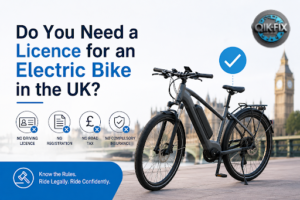
If your e-bike meets those requirements, you do not need:
- A driving licence
- Vehicle registration
- Road tax
- Insurance
Private e-scooters operate under different rules.
You cannot legally ride a privately owned e-scooter on public roads, pavements, or cycle lanes. Current legislation treats them as motor vehicles, meaning they would require insurance and registration that private owners cannot currently obtain.
Why are e-scooters illegal while e-bikes are legal?
The answer comes down to classification. E-bikes are recognised within a specific legal framework. Private e-scooters currently fall outside that framework.
Will police stop you on an electric scooter?
They can. Enforcement varies by area, but police have the authority to stop riders using private e-scooters on public roads and issue penalties.
Before buying e-scooter models, it’s important to understand where you can legally ride them.
Electric Bike vs Scooter for Commuting in the UK
When it comes to electric bike vs scooter commuting, the e-bike usually wins.
An e-bike offers:
- Road legality
- Access to cycle lanes
- Greater comfort on longer journeys
- Better performance in poor road conditions
- Exercise benefits
An e-scooter offers:
- Easier storage
- Faster carrying between locations
- Simpler integration with train journeys
Think about your daily route.
If you travel 10 miles each way, ride through traffic, and encounter rough roads, an e-bike is likely the better investment.
If your commute includes trains, limited storage, and short urban journeys, the portability of a scooter becomes valuable.
The answer to the e scooter vs ebike commuting debate often comes down to distance and practicality rather than speed.
Electric Scooter vs Electric Bike: Cost and Value for Money
Cost is often where scooters gain an advantage.
Entry-level e-scooters typically cost between £300 and £600.
Entry-level e-bikes often start around £500 and can easily exceed £1,200 depending on battery size, motor quality, and frame design.
At first glance, the scooter appears to be the better deal.
The full picture is more complicated.
Consider:
- Expected lifespan
- Replacement parts
- Battery quality
- Repair support
- Resale value
A cheap scooter can become expensive if replacement parts are difficult to source or the battery degrades quickly.
An e-bike generally costs more upfront but often provides greater utility and versatility.
If you’re looking for a best buy electric scooter, don’t focus solely on the purchase price. Consider long-term ownership costs as well.
Speed and Range: How Far and Fast Do They Go?
Legal e-bikes provide motor assistance up to 15.5mph. You can exceed that speed through pedalling, but the motor will stop assisting.
Rental e-scooters are also limited to 15.5mph.
Private scooters often advertise higher speeds, sometimes exceeding 30mph or even 40mph. Remember that these models cannot legally be used on public roads.
Range varies significantly.
A typical e-bike delivers:
- 20 to 60 miles per charge
A typical e-scooter delivers:
- 15 to 40 miles per charge
Battery size, rider weight, terrain, and weather all affect performance.
For longer journeys, e-bikes generally offer a clear advantage.
Safety: Which Is Safer to Ride?
When comparing electric bike vs electric scooter safety, stability becomes the key factor.
E-bikes benefit from:
- Larger wheels
- Better braking systems
- Seated riding position
- Greater visibility in traffic
E-scooters use smaller wheels, which are more vulnerable to potholes and uneven road surfaces.
Standing posture also changes how riders react to sudden obstacles.
Several UK studies have reported higher injury rates among e-scooter users compared with cyclists. That doesn’t mean scooters are inherently dangerous, but it does highlight the importance of rider awareness and suitable riding environments.
Regardless of which option you choose:
- Wear a helmet
- Use lights
- Maintain your brakes
- Stay visible
Which Is Better for Different Types of Riders?
The Daily Commuter
Choose an e-bike.
Legal road access, better comfort, and longer range make it the practical choice for regular travel.
The Weekend Explorer
Choose an e-bike.
Longer rides, varied terrain, and improved comfort all favour a bike.
The Student
This depends on your circumstances.
Limited storage and short trips may favour a scooter. Daily travel across town usually favours an e-bike.
The Delivery Rider
Choose an e-bike.
Range, carrying capacity, and road legality matter far more than portability.
The Fitness-Focused Rider
Choose an e-bike.
You still pedal. You still burn energy. The motor simply makes longer rides and hills more manageable.
This is where many buyers benefit from visiting specialist Electric bike shops. Seeing the options in person often makes the decision much easier than comparing specifications online.
Disadvantages of Electric Scooters: What to Know Before You Buy
Scooters offer plenty of advantages, but they also come with limitations.
Some of the biggest drawbacks include:
- Current UK road legality restrictions
- Shorter average range
- Smaller wheels on rough roads
- Faster battery degradation in lower-quality models
- No exercise benefit
- Increased theft risk due to portability
- Limited carrying capacity
These issues don’t make scooters a bad purchase.
They simply mean that electric scooters for sale are not automatically the right solution for every rider.
So, Is It Better to Get an Electric Scooter or Electric Bike?
Choose an e-bike if:
- You want a road-legal option
- You commute regularly
- You want longer range
- You value comfort
- You want some level of physical activity
Choose an e-scooter if:
- Portability is your main priority
- You need easy storage
- You plan to ride on private land
- You want a lower upfront cost
For many UK riders, the e-bike provides greater flexibility and fewer legal complications.
That doesn’t mean scooters don’t have a place. The right choice depends on how you’ll actually use it.
Whether you’re considering an Electric Scooter for Sale, looking to Buy electric scooter models, or exploring Buying e-bike options, focus on your daily needs rather than marketing claims.
At Qik-Fix Bikes & Scooters, the goal isn’t just to help you buy. It’s to help you choose something you’ll still be happy with months down the line.
Frequently Asked Questions
Can You Ride an Electric Scooter on the Road in the UK?
Private e-scooters cannot currently be used legally on public roads, pavements, or cycle lanes in most circumstances. Rental trial schemes operate under separate rules.
Do You Need a Licence for an Electric Bike in the UK?
No. If the e-bike meets EAPC requirements, you do not need a licence, registration, road tax, or insurance.
Are E-Bikes Worth Buying?
Yes, especially for commuting and regular transport. They offer practical range, lower running costs than a car, and legal access to roads and cycle infrastructure.
What Is the Best Electric Scooter to Buy in the UK?
The best option depends on your needs, budget, and intended use. Focus on build quality, battery reliability, repair support, and long-term ownership costs rather than top speed alone.